
Position: Universal Aesthetic Alignment Narrows Artistic Expression
How a single notion of beauty can override diverse artistic intent
International Conference on Machine Learning, Position Track, 2026
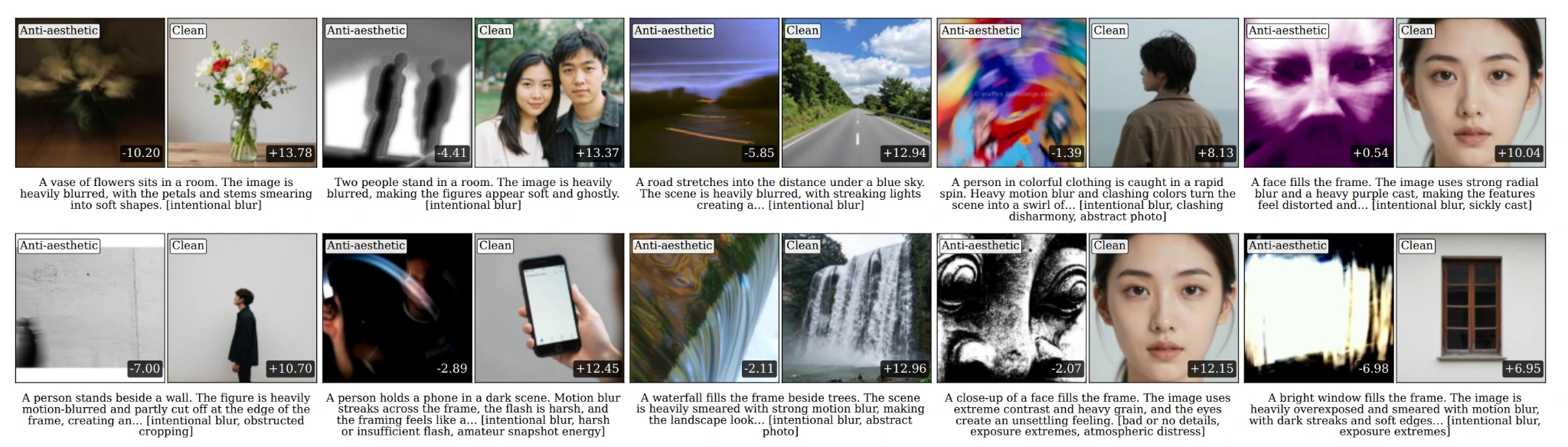
Wide-spectrum aesthetic comparison supplied by the project author.
I. Overview
Image-generation systems are commonly optimized toward a broad, average notion of visual appeal. This paper argues that the same preference can conflict with user intent when a request deliberately calls for abstraction, discomfort, visual roughness, or other non-mainstream aesthetics.
The authors call this reversed alignment: instead of adapting to the user’s stated aesthetic goal, the system steers the output back toward the developer’s preferred visual norm.
II. Key Contributions
- Frames universal aesthetic optimization as an alignment and user-autonomy problem rather than only an image-quality concern.
- Builds a wide-spectrum aesthetics benchmark for testing whether generators follow unconventional visual instructions.
- Studies generation, image-to-image editing, reward-model scoring, and the treatment of recognized abstract artworks.
III. Methodology
The study expands ordinary image descriptions with controlled wide-spectrum aesthetic attributes, compares generated outputs against those requests, and evaluates how aesthetic reward models score prompt-following but conventionally unattractive images. It also tests image editing and real artworks to separate prompt adherence from generic beauty preference.
IV. Main Findings
Across the evaluated generators and reward models, the study finds a recurring preference for conventionally polished imagery. Systems often beautify or sanitize deliberately unconventional requests, while reward models can penalize outputs that follow those requests more faithfully.
Reference
Citation
BibTeX citation
@misc{guo2026positionuniversalaestheticalignment,
  title={Position: Universal Aesthetic Alignment Narrows Artistic Expression},
  author={Wenqi Marshall Guo and Qingyun Qian and Khalad Hasan and Shan Du},
  year={2026},
  eprint={2512.11883},
  archivePrefix={arXiv},
  primaryClass={cs.CY},
  url={https://arxiv.org/abs/2512.11883}
}
Continue exploring
Related Projects
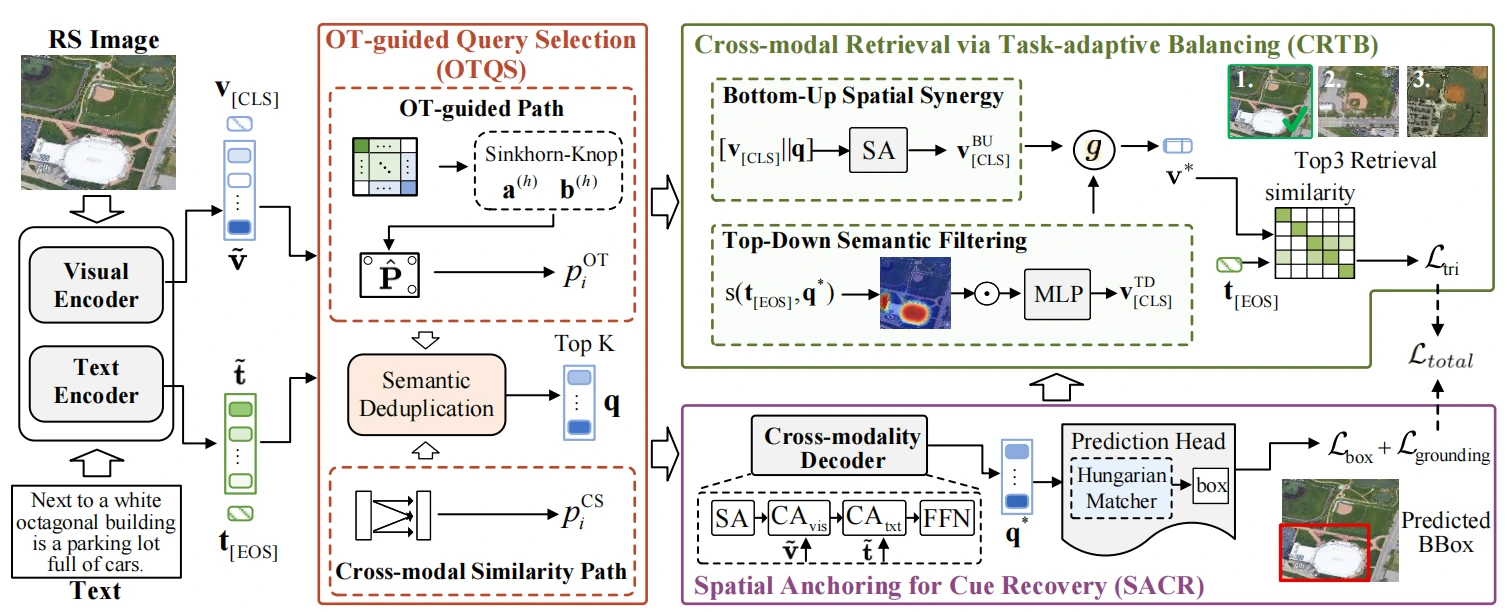
Explicit Spatial Localization and Task-Adaptive Balancing for Remote Sensing Image-Text Retrieval
A remote-sensing image–text retrieval framework that combines explicit object localization with adaptive coordination between spatial and semantic learning objectives.
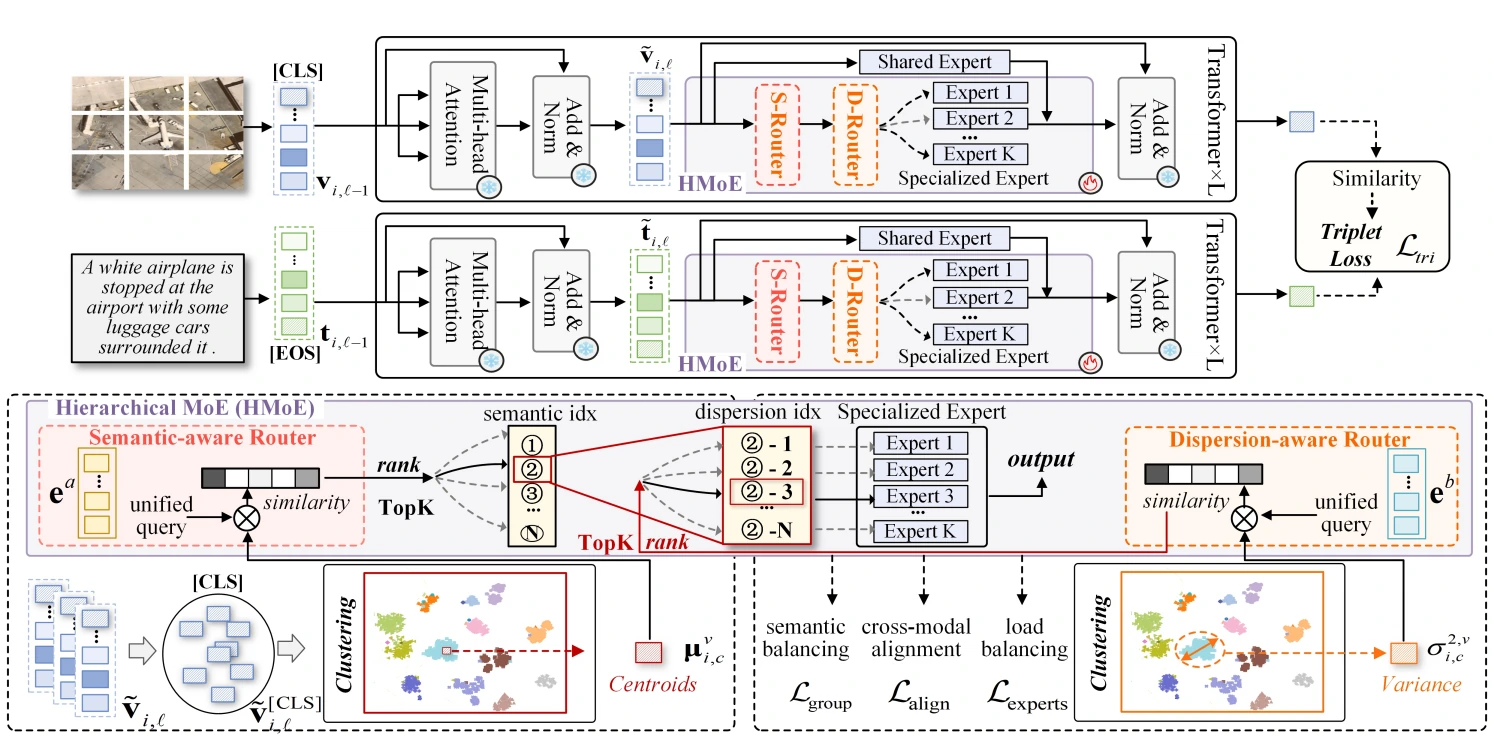
H-MoC: Hierarchical Mixture-of-Experts for Semantic- and Dispersion-Consistency in Remote Sensing Image-Text Retrieval
A hierarchical mixture-of-experts retrieval framework that promotes both semantic consistency and balanced feature dispersion across remote-sensing image and text representations.